When wine enthusiasts think of California Zinfandel, their minds often drift to well-known wine destinations like Napa Valley or Sonoma County. But not far away in the Sierra Foothills near Lake Tahoe, El Dorado wineries have been quietly crafting some of the most exceptional Zinfandels in the state for over 150 years. With old vines rooted in Gold Rush-era soil and elevations that rival some of Europe’s most celebrated wine regions, El Dorado’s Zinfandel tells a story that’s uniquely Californian—and utterly unforgettable.
If you’re planning a visit to El Dorado wine country or simply looking to expand your Zinfandel horizons, read on to learn everything you need to know about this powerhouse varietal in one of California’s most underrated wine regions.
Why El Dorado’s Zinfandel Stands Apart
El Dorado County’s Zinfandel isn’t just another California Zin. It’s bottled proof of what happens when old vines, high-altitude terroir, and dedicated winemakers come together.
View this post on Instagram
The Mountain-Grown Advantage
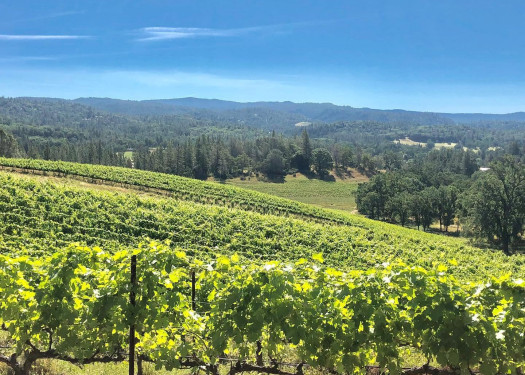
Most El Dorado vineyards sit between 1,200 and 3,500 feet above sea level, making this one of the highest-elevation wine regions in California. This dramatic elevation results in warm sunny days, followed by cool mountain nights, allowing Zinfandel grapes to develop intense flavors while maintaining crucial acidity. The result? Zinfandels that are bold and fruit-forward yet balanced and food-friendly, avoiding the jammy over-ripeness that can plague lower-elevation examples.
The cooler nights also extend the growing season, giving the grapes more hang time on the vine. This extended maturation period allows for more complex flavor development, creating layers of dark fruit, spice, and earthy minerality that set El Dorado Zinfandel apart from its coastal counterparts.
View this post on Instagram
Gold Rush Heritage and Old Vines
El Dorado’s winemaking history stretches back to the 1850s, when Italian, Swiss, and Scottish immigrants planted vineyards to supply the booming Gold Rush population. Many of these original plantings survived Prohibition (often as “home winemaking” or table grape operations) and continue to produce fruit today. Some of El Dorado’s Zinfandel vines are over 100 years old, their gnarled trunks and deep root systems a living connection to California’s wine heritage.
Old vines produce smaller yields of intensely concentrated fruit. Their extensive root systems dig deep into El Dorado’s decomposed granite and volcanic soils, extracting minerals and nutrients that younger vines can’t access. This creates Zinfandels with remarkable depth, structure, and a distinct sense of place, AKA terroir.
The Soil Story
El Dorado’s soil composition reads like a geology textbook. Decomposed granite dominates much of the region, particularly in the higher elevations, providing excellent drainage and forcing vines to work hard for nutrients. This stress (in the best possible way) produces smaller, more concentrated berries with thicker skins—exactly what you want for bold, structured Zinfandel.
View this post on Instagram
What to Expect: El Dorado Zinfandel Flavor Profile
El Dorado Zinfandel typically showcases a distinctive flavor profile that balances power with elegance. Here’s what you can expect when you pour a glass:
- Fruit character – Think dark and brooding rather than bright and jammy. Look for blackberry, black cherry, and plum, often with undertones of black raspberry and dried cranberry. The fruit tends to be ripe but not overripe, maintaining freshness thanks to those cool mountain nights.
- Spice notes – This is where El Dorado Zin really shines. Expect layers of black pepper, clove, cinnamon, and anise. Many examples also show white pepper and a distinctive “brambly” quality—that wild, hedgerow character that adds complexity and intrigue.
- Earthy undertones – Thanks to the region’s unique soils and old vine character, El Dorado Zinfandels often display earthy notes of dried herbs, tobacco leaf, leather, and dusty cocoa powder. These savory elements balance the fruit, making these wines exceptionally food-friendly.
- Structure and body – While full-bodied and rich, El Dorado Zinfandels typically show more structure and acidity than many California examples. They’re bold without being heavy, powerful without being ponderous. Tannins are usually firm but well-integrated, particularly in wines from older vines.
- Alcohol level – Like most Zinfandel, expect alcohol levels in the 14.5-16% range. However, the high elevation helps maintain balance, so even higher-alcohol examples rarely taste hot or spirited.
Why Now Is the Time to Discover El Dorado Zinfandel
While Napa and Sonoma continue to command headlines and premium prices, savvy wine enthusiasts are increasingly turning their attention to El Dorado County. Here’s why:
- Authenticity: El Dorado remains refreshingly uncommercial. You’ll meet the winemakers, not sales staff. You’ll taste in barns and caves, not marble palaces. The focus is on the wine, not the Instagram moment.
- Value: The quality-to-price ratio is outstanding. You’re getting world-class Zinfandel at prices that haven’t been inflated by tourism hype or brand prestige.
- Unique Character: These aren’t cookie-cutter wines. El Dorado’s Zinfandels taste as if they come from somewhere specific—and that somewhere is special.
The Bottom Line
El Dorado wine country produces some of California’s most compelling Zinfandels—wines that balance power with elegance, fruit with earth, and tradition with innovation. If you’ve been drinking Zin for years, these mountain-grown bottles will surprise you. And if you’re just discovering what California can do beyond Napa, well, you’ve picked a great place to start.
These are wines with a sense of place, crafted by passionate people from vines that have witnessed over a century of California history. They’re everything a great wine should be: authentic, affordable, and absolutely delicious.
Discover El Dorado’s wineries and start planning your visit.
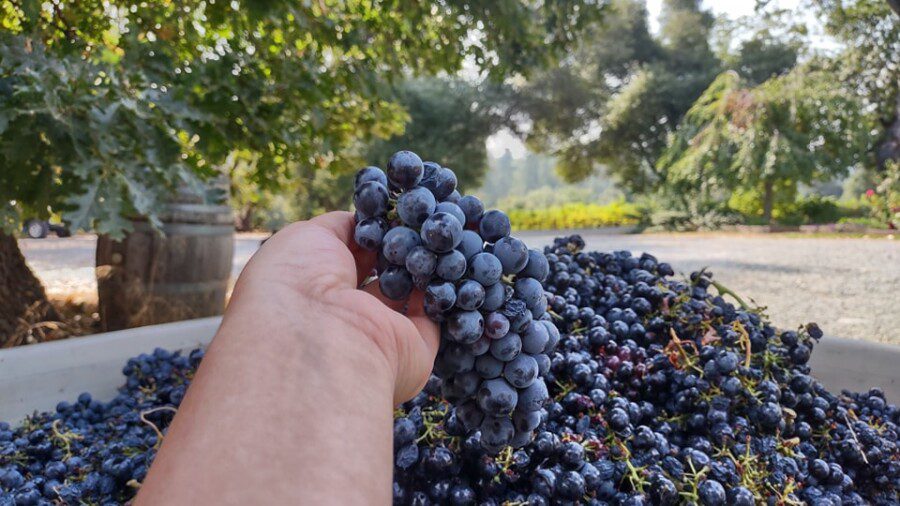
Pictured: Zinfandel grapes at Cantiga Wineworks